

Application of Mesenchymal Stem Cells and Exosome alone or Combination Therapy as a Treatment Strategy for Wound Healing
Abstract
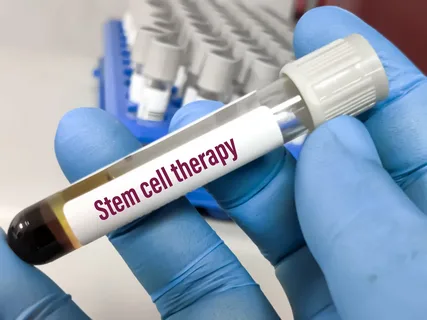
The process of wound healing consists of multiple phases, and any disruptions in these phases can lead to the wound becoming chronic and impose heavy financial and psychological costs on the patient and a huge economic burden on the country’s healthcare system. Various treatments such as drugs, matrix and scaffolds, blood products, cell therapy, and a combination of these treatments are used for wound healing. The use of mesenchymal stem cells (MSCs) is one of these methods that have produced appropriate responses in the healing of patients’ wounds. MSCs by secreting growth factors, cytokines, chemokines, and RNAs elicit changes in cell proliferation, migration, growth, signaling, immunomodulation, and wound re-epithelialization process, and as a result, accelerate wound closure and wound healing. These cells can be isolated from different body sources with different cell characteristics and used directly on the wound site or by injection. In addition, MSCs-derived exosomes have attracted growing attention due to circumventing concerns relating to the direct use of MSCs. To increase the performance of MSCs, they can be used together with other compounds such as platelets, matrices, or scaffolds. This study examined the functions of MSCs in wound healing, as well as the vesicles they secrete, cellular and molecular mechanisms, and combined treatments with MSCs for wound healing.
References
-
Huang, Y.-Z., Gou, M., Da, L.-C., Zhang, W.-Q., & Xie, H.-Q. (2020). Mesenchymal Stem Cells for Chronic Wound Healing: Current Status of Preclinical and Clinical Studies. Tissue Engineering Part B: Reviews, 26(6), 555–570.
-
Prakoeswa, C. R. S., Rindiastuti, Y., Wirohadidjojo, Y. W., Komaratih, E., Nurwasis, & Dinaryati, A., et al. (2020). Resveratrol promotes secretion of wound healing related growth factors of mesenchymal stem cells originated from adult and fetal tissues. Artificial cells, nanomedicine, and biotechnology, 48(1), 1160–1167.
-
Liu, L., Yu, Y., Hou, Y., Chai, J., Duan, H., & Chu, W., et al. (2014). Human umbilical cord mesenchymal stem cells transplantation promotes cutaneous wound healing of severe burned rats. PloS one, 9(2), e88348.
-
Li, J.-Y., Ren, K.-K., Zhang, W.-J., Xiao, L., Wu, H.-Y., & Liu, Q.-Y., et al. (2019). Human amniotic mesenchymal stem cells and their paracrine factors promote wound healing by inhibiting heat stress-induced skin cell apoptosis and enhancing their proliferation through activating PI3K/AKT signaling pathway. Stem Cell Research & Therapy, 10(1), 247.
-
Yaghoubi, Y., Hassanzadeh, A., Naimi, A., Abdolahi, S., Yousefi, M., & Aghebati-Maleki, L., et al. (2021). The Effect of Platelet Lysate on Expansion and Differentiation Megakaryocyte Progenitor Cells from Cord Blood CD34+ enriched Cells. SSU, 11(3), 172–182.
-
Zamani, M., Yaghoubi, Y., Movassaghpour, A., Shakouri, K., Mehdizadeh, A., & Pishgahi, A., et al. (2019). Novel therapeutic approaches in utilizing platelet lysate in regenerative medicine: Are we ready for clinical use? Journal of cellular physiology, 234(10), 17172–17186.
-
Yari, H., Mikhailova, M. V., Mardasi, M., Jafarzadehgharehziaaddin, M., Shahrokh, S., & Thangavelu, L., et al. (2022). Emerging role of mesenchymal stromal cells (MSCs)-derived exosome in neurodegeneration-associated conditions: a groundbreaking cell-free approach. Stem Cell Res Ther, 13(1), 423.
-
Tsai, H.-W., Wang, P.-H., & Tsui, K.-H. (2018). Mesenchymal stem cell in wound healing and regeneration. Journal of the Chinese Medical Association, 81(3), 223–224.
-
Yaghoubi, Y., Movassaghpour, A., Zamani, M., Talebi, M., Mehdizadeh, A., & Yousefi, M. (2019). Human umbilical cord mesenchymal stem cells derived-exosomes in diseases treatment. Life Sciences, 233, 116733.
-
Tavakoli, S., Ghaderi Jafarbeigloo, H. R., Shariati, A., Jahangiryan, A., Jadidi, F., & Jadidi Kouhbanani, M. A., et al. (2020). Mesenchymal stromal cells; a new horizon in regenerative medicine. Journal of Cellular Physiology, 235(12), 9185–9210.
-
Rangatchew, F., Vester-Glowinski, P., Rasmussen, B. S., Haastrup, E., Munthe-Fog, L., & Talman, M. L., et al. (2021). Mesenchymal stem cell therapy of acute thermal burns: A systematic review of the effect on inflammation and wound healing. Burns: Journal of the International Society for Burn Injuries, 47(2), 270–294.
-
Levoux, J., Prola, A., Lafuste, P., Gervais, M., Chevallier, N., & Koumaiha, Z., et al. (2021). Platelets Facilitate the Wound-Healing Capability of Mesenchymal Stem Cells by Mitochondrial Transfer and Metabolic Reprogramming. Cell Metabolism, 33(2), 283–99.e9.
-
Marusina, A. I., Merleev, A. A., Luna, J. I., Olney, L., Haigh, N. E., & Yoon, D., et al. (2020). Tunable hydrogels for mesenchymal stem cell delivery: Integrin-induced transcriptome alterations and hydrogel optimization for human wound healing. Stem Cells (Dayton, Ohio), 38(2), 231–245.
-
Jin, M. H., Yu, N. N., Jin, Y. H., Mao, Y. Y., Feng, L., & Liu, Y., et al. (2021). Peroxiredoxin II with dermal mesenchymal stem cells accelerates wound healing. Aging, 13(10), 13926–13940.
-
Yaghoubi, Y., Zamani, M., Naimi, A., Hassanzadeh, A., Gharibeh, N., & Madani, J., et al. (2020). Human CD34+ hematopoietic stem cells culture in humanized culture medium for cell therapy. Gene Reports, 20, 100718.
-
Hajimortezayi, Z., Daei, N., Gholizadeh, N., Zakeri, M., Alhili, F., & Hasanzadeh, S., et al. (2024). Fat transplant: Amazing growth and regeneration of cells and rebirth with the miracle of fat cells. Journal of Cosmetic Dermatology, 23(4), 1141–1149.
-
Shoja, A., Sani, M., Mirzohreh, S. T., Ebrahimi, M. J., Moafi, M., Balaghirad, N., et al. (2024). Dental stem cells improve memory and reduce cell death in rat seizure model. Anatomical Science International.
-
Kim, J. Y., & Suh, W. (2010). Stem cell therapy for dermal wound healing. International Journal of Stem Cells, 3(1), 29–31.
-
Zamani, M., Yaghoubi, Y., Naimi, A., Hassanzadeh, A., Pourakbari, R., & Aghebati-Maleki, L., et al. (2021). Humanized Culture Medium for Clinical-Grade Generation of Erythroid Cells from Umbilical Cord Blood CD34(+) Cells. Advanced Pharmaceutical Bulletin, 11(2), 335–342.
-
Malekan, M., Haass, N. K., Rokni, G. R., Gholizadeh, N., Ebrahimzadeh, M. A., & Kazeminejad, A. (2024). VEGF/VEGFR axis and its signaling in melanoma: Current knowledge toward therapeutic targeting agents and future perspectives. Life Sciences, 345, 122563.
-
Yang, J., Chen, Z., Pan, D., Li, H., & Shen, J. (2020). Umbilical Cord-Derived Mesenchymal Stem Cell-Derived Exosomes Combined Pluronic F127 Hydrogel Promote Chronic Diabetic Wound Healing and Complete Skin Regeneration. International Journal of Nanomedicine, 15, 5911–5926.
-
Esteban-Vives, R., Ziembicki, J., Sun Choi, M., Thompson, R. L., Schmelzer, E., & Gerlach, J. C. (2019). Isolation and Characterization of a Human Fetal Mesenchymal Stem Cell Population: Exploring the Potential for Cell Banking in Wound Healing Therapies. Cell Transplantation, 28(11), 1404–1419.
-
Yang, Z., He, C., He, J., Chu, J., Liu, H., & Deng, X. (2018). Curcumin-mediated bone marrow mesenchymal stem cell sheets create a favorable immune microenvironment for adult full-thickness cutaneous wound healing. Stem Cell Research and Therapy, 9(1), 21.
-
Hosni Ahmed, H., Rashed, L. A., Mahfouz, S., Elsayed Hussein, R., Alkaffas, M., & Mostafa, S., et al. (2017). Can mesenchymal stem cells pretreated with platelet-rich plasma modulate tissue remodeling in a rat with burned skin? Biochemistry and Cell Biology = Biochimie et biologie cellulaire, 95(5), 537–548.
-
Liang, X., Ding, Y., Zhang, Y., Tse, H. F., & Lian, Q. (2014). Paracrine mechanisms of mesenchymal stem cell-based therapy: current status and perspectives. Cell Transplantation, 23(9), 1045–1059.
-
Maxson, S., Lopez, E. A., Yoo, D., Danilkovitch-Miagkova, A., & Leroux, M. A. (2012). Concise review: role of mesenchymal stem cells in wound repair. STEM CELLS Translational Medicine, 1(2), 142–149.
-
Luz-Crawford, P., Djouad, F., Toupet, K., Bony, C., Franquesa, M., & Hoogduijn, M. J., et al. (2016). Mesenchymal Stem Cell-Derived Interleukin 1 Receptor Antagonist Promotes Macrophage Polarization and Inhibits B Cell Differentiation. Stem Cells (Dayton, Ohio), 34(2), 483–492.
-
Abumaree, M. H., Al Jumah, M. A., Kalionis, B., Jawdat, D., Al Khaldi, A., & Abomaray, F. M., et al. (2013). Human placental mesenchymal stem cells (pMSCs) play a role as immune suppressive cells by shifting macrophage differentiation from inflammatory M1 to anti-inflammatory M2 macrophages. Stem Cell Reviews and Reports, 9(5), 620–641.
-
Colwell, A. S., Beanes, S. R., Soo, C., Dang, C., Ting, K., & Longaker, M. T., et al. (2005). Increased angiogenesis and expression of vascular endothelial growth factor during scarless repair. Plastic and Reconstructive Surgery, 115(1), 204–212.
-
Hu, M. S., Borrelli, M. R., Lorenz, H. P., Longaker, M. T., & Wan, D. C. (2018). Mesenchymal Stromal Cells and Cutaneous Wound Healing: A Comprehensive Review of the Background, Role, and Therapeutic Potential. Stem Cells International, 2018, 6901983.
-
Wang, L., Hu, L., Zhou, X., Xiong, Z., Zhang, C., & Shehada, H. M. A., et al. (2021). Author Correction: Exosomes secreted by human adipose mesenchymal stem cells promote scarless cutaneous repair by regulating extracellular matrix remodelling. Science Report, 11(1), 3245.
-
Jiang, T., Wang, Z., & Sun, J. (2020). Human bone marrow mesenchymal stem cell-derived exosomes stimulate cutaneous wound healing mediates through TGF-β/Smad signaling pathway. Stem Cell Research and Therapy, 11(1), 198.
-
Shi, R., Jin, Y., Hu, W., Lian, W., Cao, C., & Han, S., et al. (2020). Exosomes derived from mmu_circ_0000250-modified adipose-derived mesenchymal stem cells promote wound healing in diabetic mice by inducing miR-128-3p/SIRT1-mediated autophagy. American Journal of Physiology Cell Physiology, 318(5), C848–C856.
-
Zhang, Y., Han, F., Gu, L., Ji, P., Yang, X., & Liu, M., et al. (2020). Adipose mesenchymal stem cell exosomes promote wound healing through accelerated keratinocyte migration and proliferation by activating the AKT/HIF-1α axis. Journal of Molecular Histology, 51(4), 375–383.
-
Zhou, Y., Zhao, B., Zhang, X.-L., Lu, Y.-J., Lu, S.-T., & Cheng, J., et al. (2021). Combined topical and systemic administration with human adipose-derived mesenchymal stem cells (hADSC) and hADSC-derived exosomes markedly promoted cutaneous wound healing and regeneration. Stem Cell Research & Therapy, 12(1), 257.
-
Krasnodembskaya, A., Song, Y., Fang, X., Gupta, N., Serikov, V., & Lee, J. W., et al. (2010). Antibacterial effect of human mesenchymal stem cells is mediated in part from secretion of the antimicrobial peptide LL-37. Stem Cells (Dayton, Ohio), 28(12), 2229–2238.
-
Mei, S. H., Haitsma, J. J., Dos Santos, C. C., Deng, Y., Lai, P. F., & Slutsky, A. S., et al. (2010). Mesenchymal stem cells reduce inflammation while enhancing bacterial clearance and improving survival in sepsis. American Journal of Respiratory and Critical Care Medicine, 182(8), 1047–1057.
-
Manier, S., Liu, C. J., Avet-Loiseau, H., Park, J., Shi, J., & Campigotto, F., et al. (2017). Prognostic role of circulating exosomal miRNAs in multiple myeloma. Blood, 129(17), 2429–2436.
-
Tutuianu, R., Rosca, A. M., Iacomi, D. M., Simionescu, M., Titorencu, I. (2021). Human Mesenchymal Stromal Cell-Derived Exosomes Promote In Vitro Wound Healing by Modulating the Biological Properties of Skin Keratinocytes and Fibroblasts and Stimulating Angiogenesis. International Journal of Molecular Sciences, 22(12), 6239
-
Guo, L., Du, J., Yuan, D.-F., Zhang, Y., Zhang, S., & Zhang, H.-C., et al. (2020). Optimal H2O2 preconditioning to improve bone marrow mesenchymal stem cells’ engraftment in wound healing. Stem Cell Research & Therapy, 11(1), 434.
-
Heo, J. S., Kim, S., Yang, C. E., Choi, Y., Song, S. Y., & Kim, H. O. (2021). Human Adipose Mesenchymal Stem Cell-Derived Exosomes: A Key Player in Wound Healing. Tissue Engineering and Regenerative Medicine, 18(4), 537–548.
-
Heo, J. S., Choi, Y., & Kim, H. O. (2019). Adipose-Derived Mesenchymal Stem Cells Promote M2 Macrophage Phenotype through Exosomes. Stem Cells International, 2019, 7921760.
-
Koken, G. Y., Abamor, E. S., Allahverdiyev, A., & Karaoz, E. (2022). Wharton Jelly Derived Mesenchymal Stem Cell’s Exosomes Demonstrate Significant Antileishmanial and Wound Healing Effects in Combination with Aloe-Emodin: An in Vitro Study. Journal of Pharmaceutical Sciences, 111(12), 3232–3242.
-
Bakadia, B. M., Qaed Ahmed, A. A., Lamboni, L., Shi, Z., Mutu Mukole, B., & Zheng, R., et al. (2023). Engineering homologous platelet-rich plasma, platelet-rich plasma-derived exosomes, and mesenchymal stem cell-derived exosomes-based dual-crosslinked hydrogels as bioactive diabetic wound dressings. Bioactive Materials, 28, 74–94.
-
Zhang, X., Ding, P., Chen, Y., Lin, Z., Zhao, X., & Xie, H. (2023). Human umbilical cord mesenchymal stem cell-derived exosomes combined with gelatin methacryloyl hydrogel to promote fractional laser injury wound healing. The International Wound Journal, 20(10), 4040–4049.
-
Wu, D., Tao, S., Zhu, L., Zhao, C., & Xu, N. (2024). Chitosan Hydrogel Dressing Loaded with Adipose Mesenchymal Stem Cell-Derived Exosomes Promotes Skin Full-Thickness Wound Repair. ACS Applied Bio Materials, 7(2), 1125–1134.
-
Yang, S., Chen, S., Zhang, C., Han, J., Lin, C., & Zhao, X., et al. (2023). Enhanced therapeutic effects of mesenchymal stem cell-derived extracellular vesicles within chitosan hydrogel in the treatment of diabetic foot ulcers. Journal of Materials Science: Materials in Medicine, 34(9), 43.
-
Wang, Y., Song, P., Wu, L., Su, Z., Gui, X., & Gao, C., et al. (2023). In situ photo-crosslinked adhesive hydrogel loaded with mesenchymal stem cell-derived extracellular vesicles promotes diabetic wound healing. Journal of Materials Chemistry B, 11(4), 837–851.
-
Lin, H., Chen, H., Zhao, X., Chen, Z., Zhang, P., & Tian, Y., et al. (2021). Advances in mesenchymal stem cell conditioned medium-mediated periodontal tissue regeneration. Journal of Translational Medicine, 19(1), 456.
-
Gunawardena, T. N. A., Rahman, M. T., Abdullah, B. J. J., & Abu Kasim, N. H. (2019). Conditioned media derived from mesenchymal stem cell cultures: The next generation for regenerative medicine. Journal of Tissue Engineering and Regenerative Medicine, 13(4), 569–586.
-
Delfi, I., Wood, C. R., Johnson, L. D. V., Snow, M. D., Innes, J. F., Myint, P., et al. (2020). An In Vitro Comparison of the Neurotrophic and Angiogenic Activity of Human and Canine Adipose-Derived Mesenchymal Stem Cells (MSCs): Translating MSC-Based Therapies for Spinal Cord Injury. Biomolecules, 10(9), 1301.
-
Jin, S., Yang, C., Huang, J., Liu, L., Zhang, Y., & Li, S., et al. (2020). Conditioned medium derived from FGF-2-modified GMSCs enhances migration and angiogenesis of human umbilical vein endothelial cells. Stem Cell Research & Therapy, 11(1), 68.
-
Joseph, A., Baiju, I., Bhat, I. A., Pandey, S., Bharti, M., & Verma, M., et al. (2020). Mesenchymal stem cell-conditioned media: A novel alternative of stem cell therapy for quality wound healing. Journal of Cellular Physiology, 235(7-8), 5555–5569.
-
Alireza, P., Rozita, A., Seyed Kazem, S., Mohammad Sadegh, S.-Z., Shahla, D., Sepideh Ranjbar, K., et al. (2020). Effect of Dextrose Prolotherapy, Platelet Rich Plasma and Autologous Conditioned Serum on Knee Osteoarthritis: A Randomized Clinical Trial. Iranian Journal of Allergy, Asthma and Immunology. 19(3), 243–252.
-
Pishgahi, A., Zamani, M., Mehdizadeh, A., Roshangar, L., Afkham-Daghdaghan, M., & Pourabbas, B., et al. (2022). The therapeutic effects of autologous conditioned serum on knee osteoarthritis: an animal model. BMC Research Notes, 15(1), 277.
-
Zhang, Z., Li, Z., Li, Y., Wang, Y., Yao, M., & Zhang, K., et al. (2021). Sodium alginate/collagen hydrogel loaded with human umbilical cord mesenchymal stem cells promotes wound healing and skin remodeling. Cell and Tissue Research, 383(2), 809–821.
-
Sukmana, B. I., Margiana, R., Almajidi, Y. Q., Almalki, S. G., Hjazi, A., & Shahab, S., et al. (2023). Supporting wound healing by mesenchymal stem cells (MSCs) therapy in combination with scaffold, hydrogel, and matrix; State of the art. Pathology – Research and Practice, 248, 154575.
-
Daneste, H., Mohammadzadeh Boukani, L., Ramezani, N., Asadi, F., Zaidan, H. K., & Sadeghzade, A., et al. (2023). Combination therapy along with mesenchymal stem cells in wound healing; the state of the art. Advances in Medical Sciences, 68(2), 441–449.
-
Huang, J. N., Cao, H., Liang, K. Y., Cui, L. P., & Li, Y. (2022). Combination therapy of hydrogel and stem cells for diabetic wound healing. World J Diabetes, 13(11), 949–961.
-
Sharma, S., Kulkarni, C., Kulkarni, M. M., Ali, R., Porwal, K., & Chattopadhyay, N., et al. (2020). Tripeptide-induced modulation of mesenchymal stem cell biomechanics stimulates proliferation and wound healing. Chemical Communications, 56(20), 3043–3046.
-
Safaeinejad, Z., Nabiuni, M., Peymani, M., Ghaedi, K., Nasr-Esfahani, M. H., & Baharvand, H. (2017). Resveratrol promotes human embryonic stem cells self-renewal by targeting SIRT1-ERK signaling pathway. European Journal of Cell Biology, 96(7), 665–672.
-
Peltz, L., Gomez, J., Marquez, M., Alencastro, F., Atashpanjeh, N., & Quang, T., et al. (2012). Resveratrol exerts dosage and duration dependent effect on human mesenchymal stem cell development. PloS One, 7(5), e37162.
-
Ganbarjeddi, S., Azimi, A., Zadi Heydarabad, M., Hemmatzadeh, M., Mohammadi, S., & Mousavi Ardehaie, R., et al. (2020). Apoptosis Induced by Prednisolone Occurs without Altering the Promoter Methylation of BAX and BCL-2 Genes in Acute Lymphoblastic Leukemia Cells CCRF-CEM. Asian Pacific Journal of Cancer Prevention, 21(2), 523–529.
-
Danaii, S., Abolhasani, R., Soltani-Zangbar, M. S., Zamani, M., Mehdizadeh, A., & Amanifar, B., et al. (2020). Oxidative stress and immunological biomarkers in Ankylosing spondylitis patients. Gene Reports, 18, 100574.
-
Jin, M. H., Yu, J. B., Sun, H. N., Jin, Y. H., Shen, G. N., Jin, C. H., et al. (2019). Peroxiredoxin II Maintains the Mitochondrial Membrane Potential against Alcohol-Induced Apoptosis in HT22 Cells. Antioxidants (Basel, Switzerland), 9(1), 1.
-
Han, Y. H., Jin, M. H., Jin, Y. H., Yu, N. N., Liu, J., & Zhang, Y. Q., et al. (2020). Deletion of Peroxiredoxin II Inhibits the Growth of Mouse Primary Mesenchymal Stem Cells Through Induction of the G(0)/G(1) Cell-cycle Arrest and Activation of AKT/GSK3β/β-Catenin Signaling. In Vivo (Athens, Greece), 34(1), 133–141.
-
Wang, L., & Ganly, I. (2014). The oral microbiome and oral cancer. Clinics in Laboratory Medicine, 34(4), 711–719.
-
Herremans, K. M., Riner, A. N., Cameron, M. E., McKinley, K. L., Triplett, E. W., & Hughes, S. J., et al. (2022). The oral microbiome, pancreatic cancer and human diversity in the age of precision medicine. Microbiome, 10(1), 93.
-
Sarao, L. K., & Arora, M. (2017). Probiotics, prebiotics, and microencapsulation: A review. Critical Reviews in Food Science and Nutrition, 57(2), 344–371.
-
Han, N., Jia, L., Guo, L., Su, Y., Luo, Z., & Du, J., et al. (2020). Balanced oral pathogenic bacteria and probiotics promoted wound healing via maintaining mesenchymal stem cell homeostasis. Stem Cell Research & Therapy, 11(1), 61.
-
Kasuya, A., & Tokura, Y. (2014). Attempts to accelerate wound healing. Journal of Dermatological Science, 76(3), 169–172.
-
Lindley, L. E., Stojadinovic, O., Pastar, I., & Tomic-Canic, M. (2016). Biology and Biomarkers for Wound Healing. Plastic and Reconstructive Surgery, 138(3 Suppl), 18s–28s.
-
Su, Y., Chen, C., Guo, L., Du, J., Li, X., & Liu, Y. (2018). Ecological Balance of Oral Microbiota Is Required to Maintain Oral Mesenchymal Stem Cell Homeostasis. Stem Cells (Dayton, Ohio), 36(4), 551–561.
-
Noël, D., Caton, D., Roche, S., Bony, C., Lehmann, S., & Casteilla, L., et al. (2008). Cell specific differences between human adipose-derived and mesenchymal-stromal cells despite similar differentiation potentials. Experimental Cell Research, 314(7), 1575–1584.
-
Hassanzadeh, A., Altajer, A. H., Rahman, H. S., Saleh, M. M., Bokov, D. O., & Abdelbasset, W. K., et al. (2021). Mesenchymal Stem/Stromal Cell-Based Delivery: A Rapidly Evolving Strategy for Cancer Therapy. Frontiers in Cell and Developmental Biology, 9, 686453.
-
Ashour, R. H., Saad, M.-A., Sobh, M.-A., Al-Husseiny, F., Abouelkheir, M., & Awad, A., et al. (2016). Comparative study of allogenic and xenogeneic mesenchymal stem cells on cisplatin-induced acute kidney injury in Sprague-Dawley rats. Stem Cell Research & Therapy, 7(1), 126.
-
Li, C., Zhao, H., Cheng, L., & Wang, B. (2021). Allogeneic vs. autologous mesenchymal stem/stromal cells in their medication practice. Cell & Bioscience, 11(1), 187.
-
Shariati, A., Nemati, R., Sadeghipour, Y., Yaghoubi, Y., Baghbani, R., & Javidi, K., et al. (2020). Mesenchymal stromal cells (MSCs) for neurodegenerative disease: A promising frontier. European Journal of Cell Biology, 99(6), 151097.
-
Hu, C. H., Tseng, Y. W., Chiou, C. Y., Lan, K. C., Chou, C. H., & Tai, C. S., et al. (2019). Bone marrow concentrate-induced mesenchymal stem cell conditioned medium facilitates wound healing and prevents hypertrophic scar formation in a rabbit ear model. Stem Cell Research and Therapy, 10(1), 275.
-
Ma, T., Fu, B., Yang, X., Xiao, Y., & Pan, M. (2019). Adipose mesenchymal stem cell-derived exosomes promote cell proliferation, migration, and inhibit cell apoptosis via Wnt/β-catenin signaling in cutaneous wound healing. Journal of Cellular Biochemistry, 120(6), 10847–10854.
-
Qiu, X., Liu, J., Zheng, C., Su, Y., Bao, L., & Zhu, B., et al. (2020). Exosomes released from educated mesenchymal stem cells accelerate cutaneous wound healing via promoting angiogenesis. Cell Proliferation, 53(8), e12830.
-
Li, X., Xie, X., Lian, W., Shi, R., Han, S., & Zhang, H., et al. (2018). Exosomes from adipose-derived stem cells overexpressing Nrf2 accelerate cutaneous wound healing by promoting vascularization in a diabetic foot ulcer rat model. Experimental & Molecular Medicine, 50(4), 1–14.
-
Liang, X., Lin, F., Ding, Y., Zhang, Y., Li, M., & Zhou, X., et al. (2021). Conditioned medium from induced pluripotent stem cell-derived mesenchymal stem cells accelerates cutaneous wound healing through enhanced angiogenesis. Stem Cell Research & Therapy, 12(1), 295.
-
Li, X., Wang, Y., Shi, L., Li, B., Li, J., & Wei, Z., et al. (2020). Magnetic targeting enhances the cutaneous wound healing effects of human mesenchymal stem cell-derived iron oxide exosomes. Journal of Nanobiotechnology, 18(1), 113.
-
Shukla, A., Choudhury, S., Chaudhary, G., Singh, V., Prabhu, S. N., & Pandey, S., et al. (2021). Chitosan and gelatin biopolymer supplemented with mesenchymal stem cells (Velgraft®) enhanced wound healing in goats (Capra hircus): Involvement of VEGF, TGF and CD31. Journal of Tissue Viability, 30(1), 59–66.
-
Chen, Z., Zhang, B., Shu, J., Wang, H., Han, Y., & Zeng, Q., et al. (2021). Human decellularized adipose matrix derived hydrogel assists mesenchymal stem cells delivery and accelerates chronic wound healing. Journal of Biomedical Materials Research Part A, 109(8), 1418–1428.
-
Ni, X., Shan, X., Xu, L., Yu, W., Zhang, M., & Lei, C., et al. (2021). Adipose-derived stem cells combined with platelet-rich plasma enhance wound healing in a rat model of full-thickness skin defects. Stem Cell Research and Therapy, 12(1), 226.
-
Ebrahim, N., Dessouky, A. A., Mostafa, O., Hassouna, A., Yousef, M. M., & Seleem, Y., et al. (2021). Adipose mesenchymal stem cells combined with platelet-rich plasma accelerate diabetic wound healing by modulating the Notch pathway. Stem Cell Research and Therapy, 12(1), 392.
-
Song, Y., You, Y., Xu, X., Lu, J., Huang, X., & Zhang, J., et al. (2023). Adipose-Derived Mesenchymal Stem Cell-Derived Exosomes Biopotentiated Extracellular Matrix Hydrogels Accelerate Diabetic Wound Healing and Skin Regeneration. Advanced Science, 10(30), e2304023.
-
Martin, K. E., Hunckler, M. D., Chee, E., Caplin, J. D., Barber, G. F., & Kalelkar, P. P., et al. (2023). Hydrolytic hydrogels tune mesenchymal stem cell persistence and immunomodulation for enhanced diabetic cutaneous wound healing. Biomaterials, 301, 122256.
-
Lashkari, M., Rahmani, M., Yousefpoor, Y., Ahmadi-Zeidabadi, M., Faridi-Majidi, R., & Ameri, Z., et al. (2023). Cell-based wound dressing: Bilayered PCL/gelatin nanofibers-alginate/collagen hydrogel scaffold loaded with mesenchymal stem cells. International Journal of Biological Macromolecules, 239, 124099.
-
Khandan-Nasab, N., Mahdipour, E., Askarian, S., Kalantari, M. R., Ramezanian, N., & Kazemi Oskuee, R. (2023). Design and characterization of adipose-derived mesenchymal stem cell loaded alginate/pullulan/hyaluronic acid hydrogel scaffold for wound healing applications. International Journal of Biological Macromolecules, 241, 124556.
-
Kwon, J. W., Savitri, C., An, B., Yang, S. W., & Park, K. (2023). Mesenchymal stem cell-derived secretomes-enriched alginate/ extracellular matrix hydrogel patch accelerates skin wound healing. Biomaterials Research, 27(1), 107.
-
Tammam, B. M. H., Habotta, O. A., El-Khadragy, M., Abdel Moneim, A. E., & Abdalla, M. S. (2023). Therapeutic role of mesenchymal stem cells and platelet-rich plasma on skin burn healing and rejuvenation: A focus on scar regulation, oxido-inflammatory stress and apoptotic mechanisms. Heliyon, 9(9), e19452.
-
Liu, L., Yao, S., Mao, X., Fang, Z., Yang, C., & Zhang, Y. (2023). Thermosensitive hydrogel coupled with sodium ascorbyl phosphate promotes human umbilical cord-derived mesenchymal stem cell-mediated skin wound healing in mice. Scientific Reports, 13(1), 11909.
-
Iacopetti, I., Perazzi, A., Patruno, M., Contiero, B., Carolo, A., & Martinello, T., et al. (2023). Assessment of the quality of the healing process in experimentally induced skin lesions treated with autologous platelet concentrate associated or unassociated with allogeneic mesenchymal stem cells: preliminary results in a large animal model. Frontiers in Veterinary Science, 10, 1219833.
Rights and permissions
Springer Nature or its licensor (e.g. a society or other partner) holds exclusive rights to this article under a publishing agreement with the author(s) or other rightsholder(s); author self-archiving of the accepted manuscript version of this article is solely governed by the terms of such publishing agreement and applicable law.