Source: Spinal Cord Injury Stem Cell Transplant Clears Phase I, Improves Motor Scores, Inside Precision Medicine, 21 Jul 2026. Summary written by Future Health GCC.
What happened
Researchers at Keio University in Japan have completed the first human safety trial of a stem cell transplant for recent spinal cord injury. The results were published in Nature Medicine.
What they did
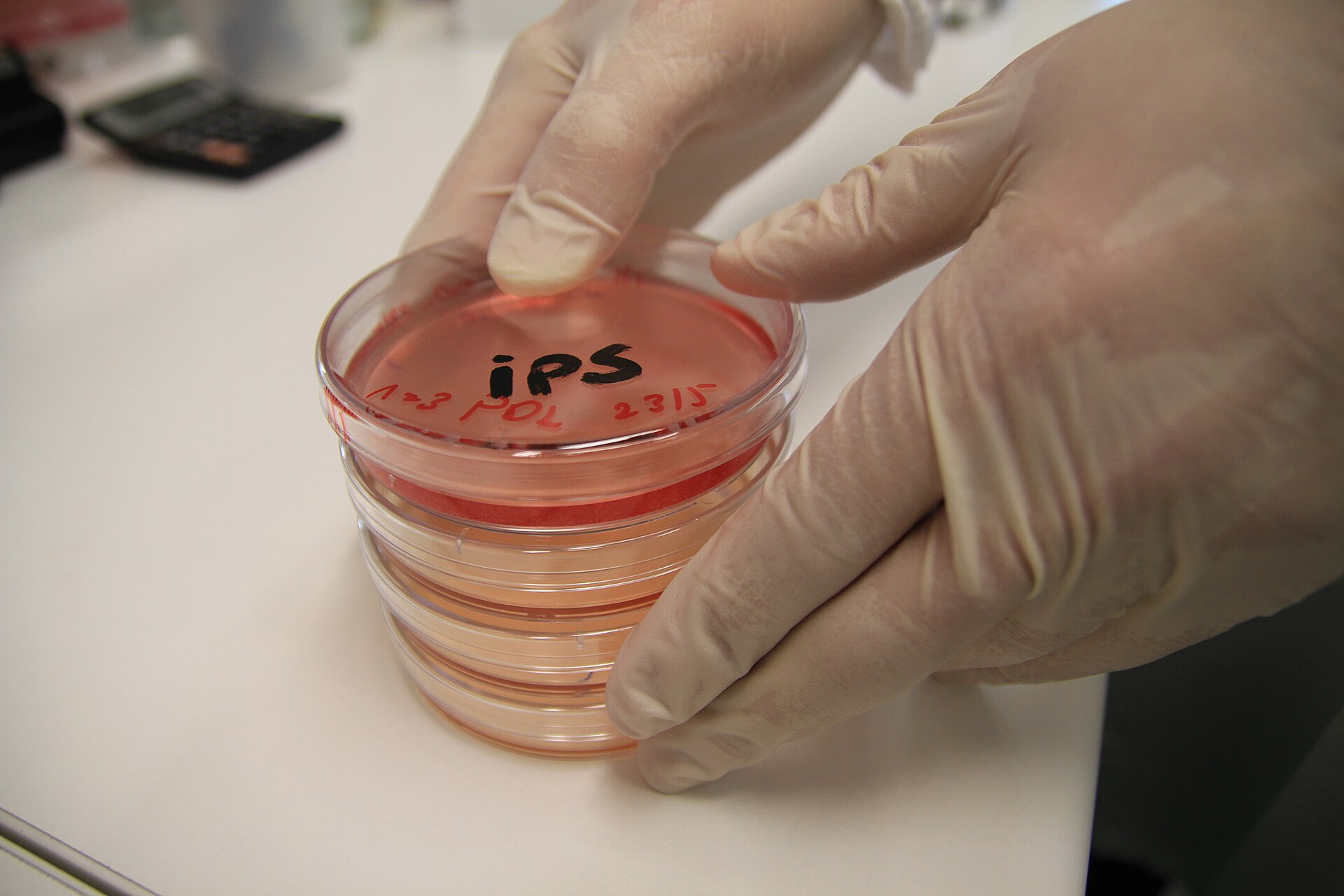
Four men with complete spinal cord injuries in the neck each received about two million neural stem and progenitor cells, injected directly into the injury two to four weeks after it happened. The cells were grown from induced pluripotent stem cells (iPSCs), which are adult cells reprogrammed in the lab to behave like early-stage stem cells. The men took drugs to suppress their immune systems for a period to lower the risk of rejection.
What they found
The main goal was safety, and it was met. Over up to four years of follow-up there were no tumours, abnormal growths or serious complications caused by the cells.
All four men regained some movement. Two improved from complete paralysis to having some voluntary movement below the injury, and median motor scores rose by 13 points after a year, more than usually seen in similar patients.
How far along it is
This was a phase I trial with only four participants and no comparison group, so it cannot prove the cells caused the improvement. Larger randomised trials are needed before this could become a standard treatment.
What it means for families
It is an important step: it shows that stem cell-derived nerve cells can be placed in the human spinal cord safely. It is not a cure for paralysis, and the treatment remains experimental.
Read the original article on Inside Precision Medicine →
This is a summary of published research, written by Future Health GCC. It is not medical advice. Speak to your doctor about any treatment.
Photo: CSIRO, via Wikimedia Commons (CC BY 3.0).