Source: Queensland breakthrough uses umbilical cord blood to mass-produce leukaemia therapy, Mater Research, 6 Aug 2026. Summary written by Future Health GCC.
What happened
A research team in Brisbane, Australia, led by Professor Maher Gandhi, has been awarded nearly 4 million Australian dollars by the Australian Government’s Medical Research Future Fund. The aim is a new treatment for acute myeloid leukaemia (AML), an aggressive blood cancer that is most common in adults over 60.
Why cord blood
CAR-T therapy re-trains a patient’s immune cells to find and attack cancer. Today it is usually made from the patient’s own cells, one person at a time, and often shipped overseas to be manufactured, which takes weeks. Many older people with AML have already had so much treatment that their own immune cells are too weak to use.
The Brisbane team plans to make doses from immune cells taken from donated umbilical cord blood instead. The cells are engineered to target leukaemia and then frozen, so hospitals could have a dose ready as soon as a patient needs it. The cord blood comes from the Queensland Cord Blood Bank at Mater Mothers’ Hospital, donated by parents after their babies were born.
How far along it is
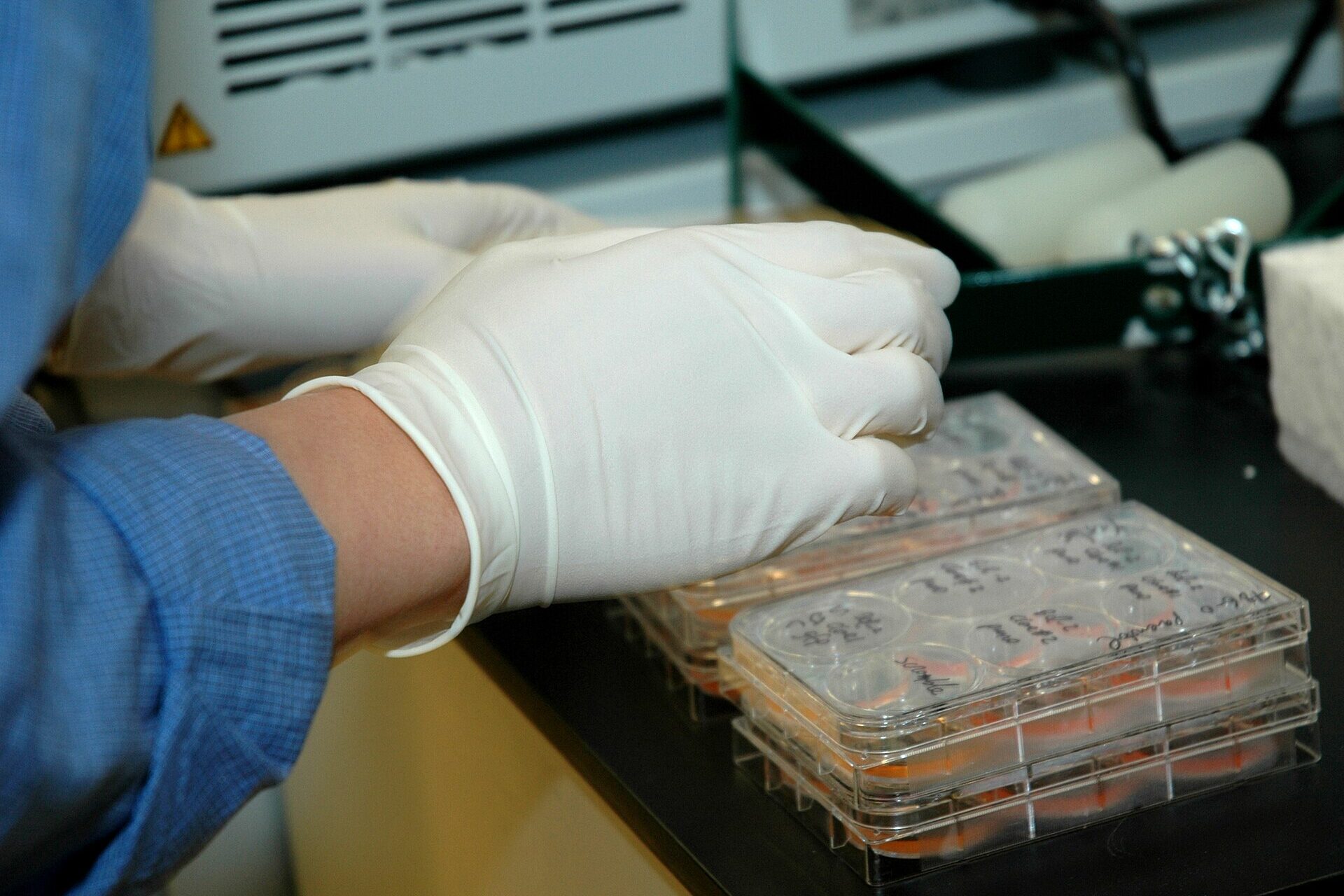
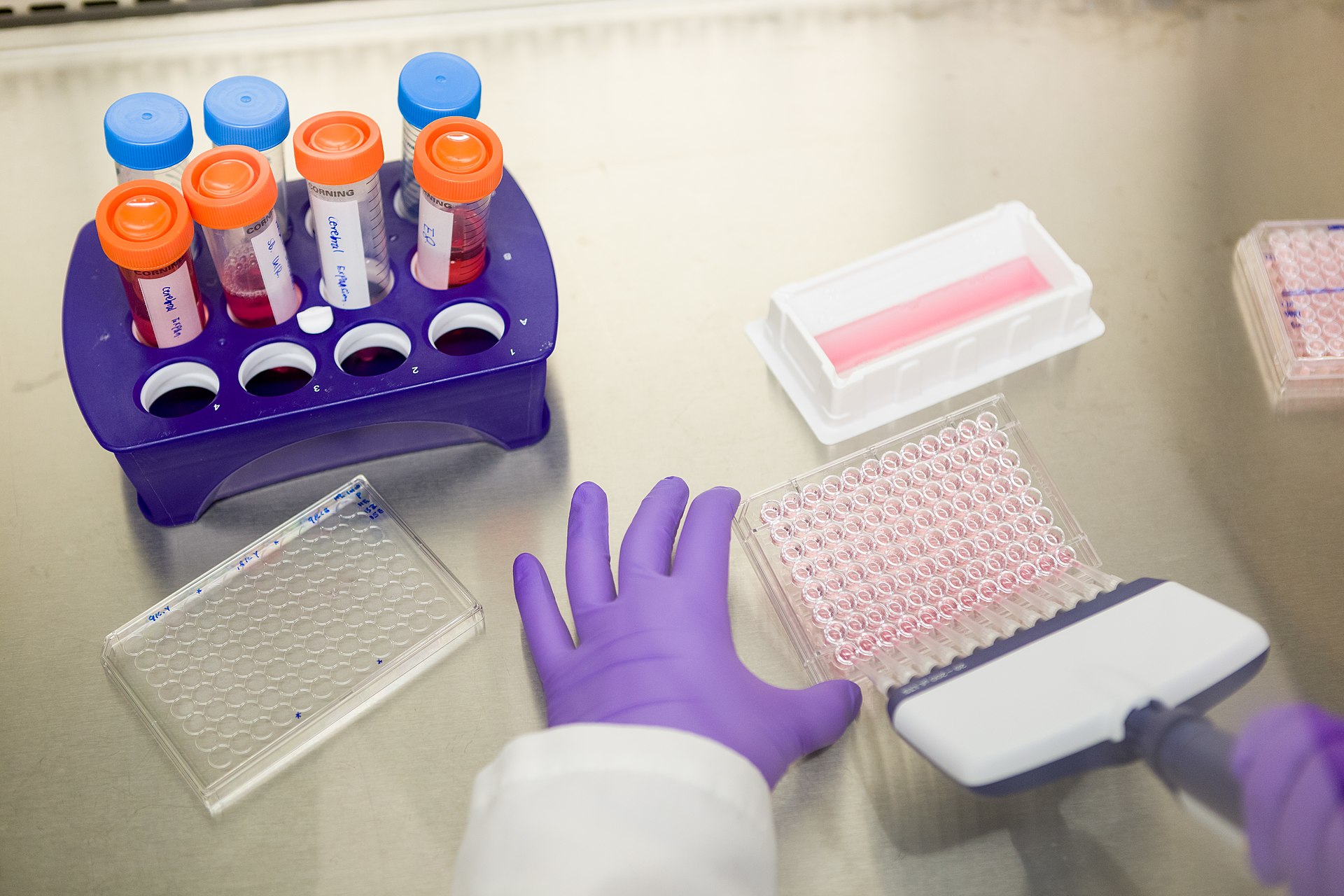
This is early-stage research. The engineered cells are first being tested in the laboratory against miniature, lab-grown models of human bone marrow. The next step is a phase I clinical trial in 15 patients whose leukaemia has come back or has not responded to standard treatment. A phase I trial mainly checks safety. The therapy is not available to patients outside research.
What it means for families
The project is another example of researchers finding new uses for the cells in umbilical cord blood. It uses donated cord blood from a public bank, not cord blood a family has stored for their own child, and it is too early to know whether the therapy will work.
Read the original article on Mater Research →
This is a summary of published research, written by Future Health GCC. It is not medical advice. Speak to your doctor about any treatment.
Photo: NCATS / NIH, via Wikimedia Commons (public domain).