Source: Recent Advances in Hydrogel Technology in Delivering Mesenchymal Stem Cell for Osteoarthritis Therapy, Biomolecules (via PubMed Central), 17 Jul 2024. Summary written by Future Health GCC.
What this is
This is a scientific review, published in the journal Biomolecules in July 2024, that brings together research on a promising way to deliver stem cells into joints affected by osteoarthritis.
The problem
Osteoarthritis is a long-term joint disease that affects more than 500 million people worldwide. It wears away the cartilage that cushions the joints and causes inflammation, pain and stiffness. Physiotherapy, medication and surgery can ease the symptoms, but they do not repair the damaged cartilage.
Mesenchymal stem cells, taken from sources such as bone marrow or fat (adipose) tissue, are being studied because they can turn into cartilage-type cells and release signals that calm inflammation. But when they are simply injected into a joint, many do not survive. The pressure of the needle can damage them, the joint has little oxygen, and cells tend to drift away from the area that needs them.
How hydrogels could help
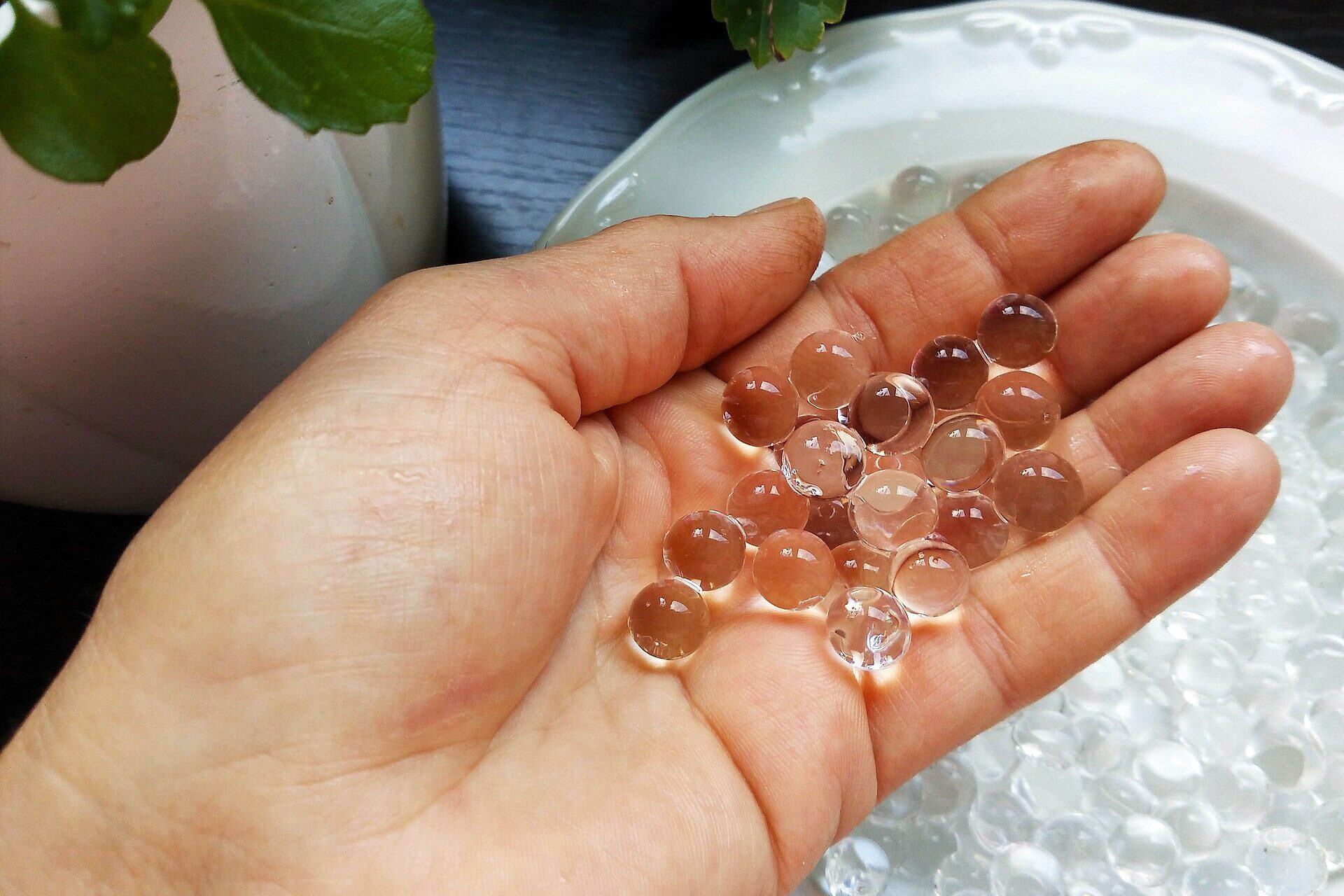
Hydrogels are soft, water-rich gels that can be made to be safe in the body and to break down naturally over time. Used as a carrier, a hydrogel gives the stem cells a three-dimensional scaffold to live in: it shields them during injection, keeps them in place, and can be designed to release nutrients or growth signals that help them work.
The review describes laboratory and animal studies in which hydrogel-delivered stem cells survived better and protected cartilage more than stem cells injected on their own.
How far along it is
Most of this work is still at the laboratory and animal-study stage. The authors say more research is needed before hydrogel-based stem cell treatments are ready for routine use in patients.
What it means for families
It shows that researchers are working not only on which cells to use, but on how to get them to work once they are inside the body. It is not yet a treatment people can receive.
Read the original article on Biomolecules (via PubMed Central) →
This is a summary of published research, written by Future Health GCC. It is not medical advice. Speak to your doctor about any treatment.
Photo: Azizbekpm, via Wikimedia Commons (CC BY-SA 4.0).