Source: Recent advances in mesenchymal stem cell therapy for multiple sclerosis: clinical applications and challenges, Frontiers in Cell and Developmental Biology, 3 Feb 2025. Summary written by Future Health GCC.
What this is
This is a scientific review published in Frontiers in Cell and Developmental Biology in February 2025. It brings together laboratory research and clinical trials on mesenchymal stem cells (MSCs) as a possible treatment for multiple sclerosis.
The condition
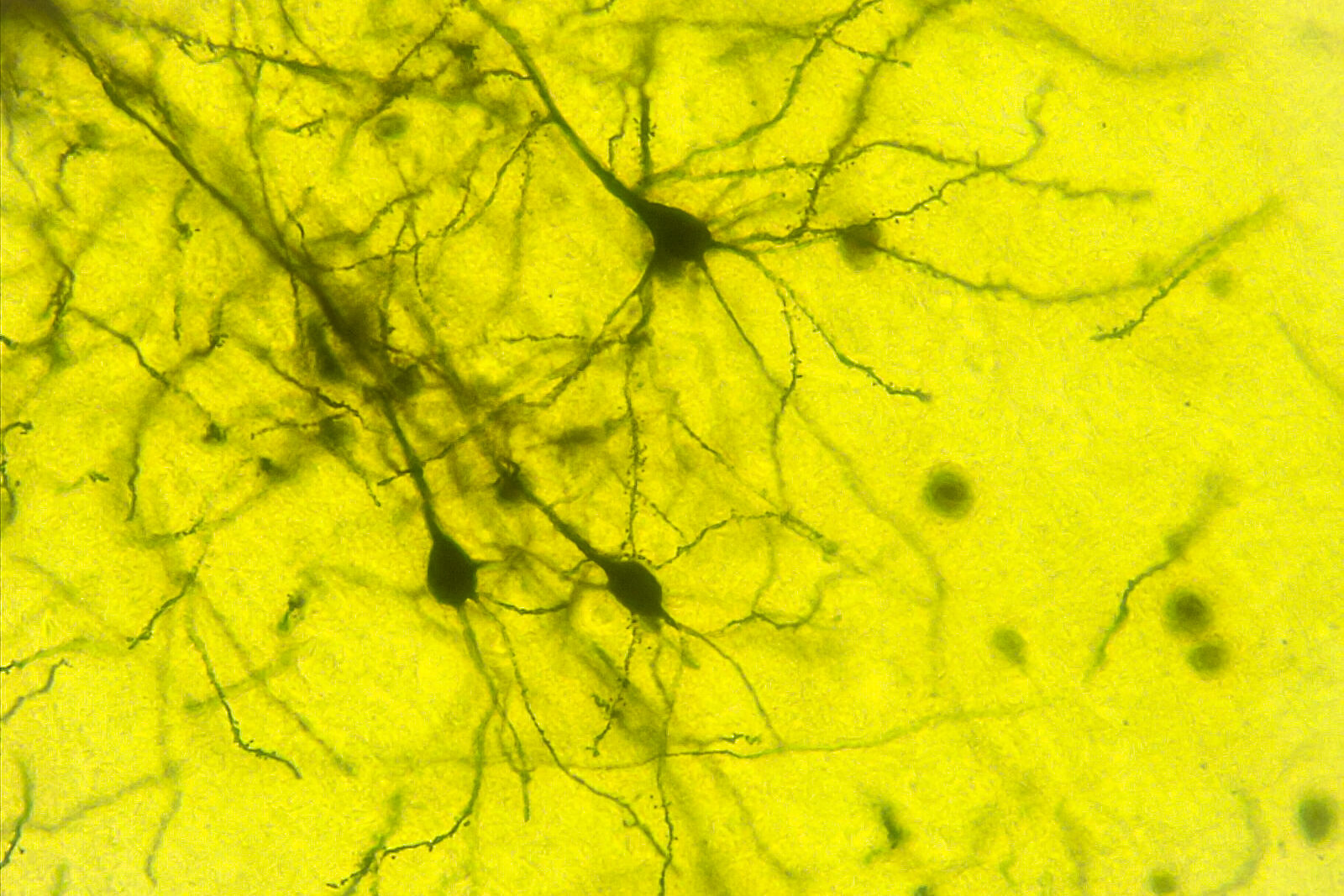
Multiple sclerosis (MS) is a long-term autoimmune disease in which the immune system attacks the brain and spinal cord. It damages myelin, the protective coating around nerve fibres, and over time the nerves themselves. People can experience fatigue, problems with sensation, and difficulties with thinking and memory. Current medicines mainly work by adjusting the immune system, but they cannot fully stop the disease progressing or repair the damage.
Why stem cells are being studied
MSCs, which can come from sources such as bone marrow, fat tissue and the umbilical cord, are being studied because of three properties described in the review: they can calm an overactive immune system, they may help protect nerve cells, and they may support the repair of myelin.
The review examines studies in animals and clinical trials in people with different forms of MS, looking at how effective and safe the treatment has been so far.
What still needs to be solved
The authors highlight open questions: the best way to deliver the cells (for example into a vein or into the fluid around the spinal cord), the right dose and number of treatments, and how MSCs might be combined with existing MS medicines.
How far along it is
MSC therapy for MS is still being tested in clinical trials and is not an approved treatment. Larger, well-designed studies are needed to show which patients might benefit.
What it means for families
The review explains why stem cells from sources including the umbilical cord are of interest for autoimmune and neurological diseases. It describes potential, not a proven treatment.
Read the original article on Frontiers in Cell and Developmental Biology →
This is a summary of published research, written by Future Health GCC. It is not medical advice. Speak to your doctor about any treatment.
Photo: Ns takes photos, via Wikimedia Commons (CC BY 4.0).