Source: Stem Cell Treatment For Hair Loss in 2025, BioInformant, 4 Mar 2025. Summary written by Future Health GCC.
What this is about
Hair loss affects both men and women, and the most common form is androgenetic alopecia, often called male or female pattern hair loss. BioInformant, a stem cell industry news site, has published an overview of how stem cells are being explored as a way to help hair grow again.
Why stem cells
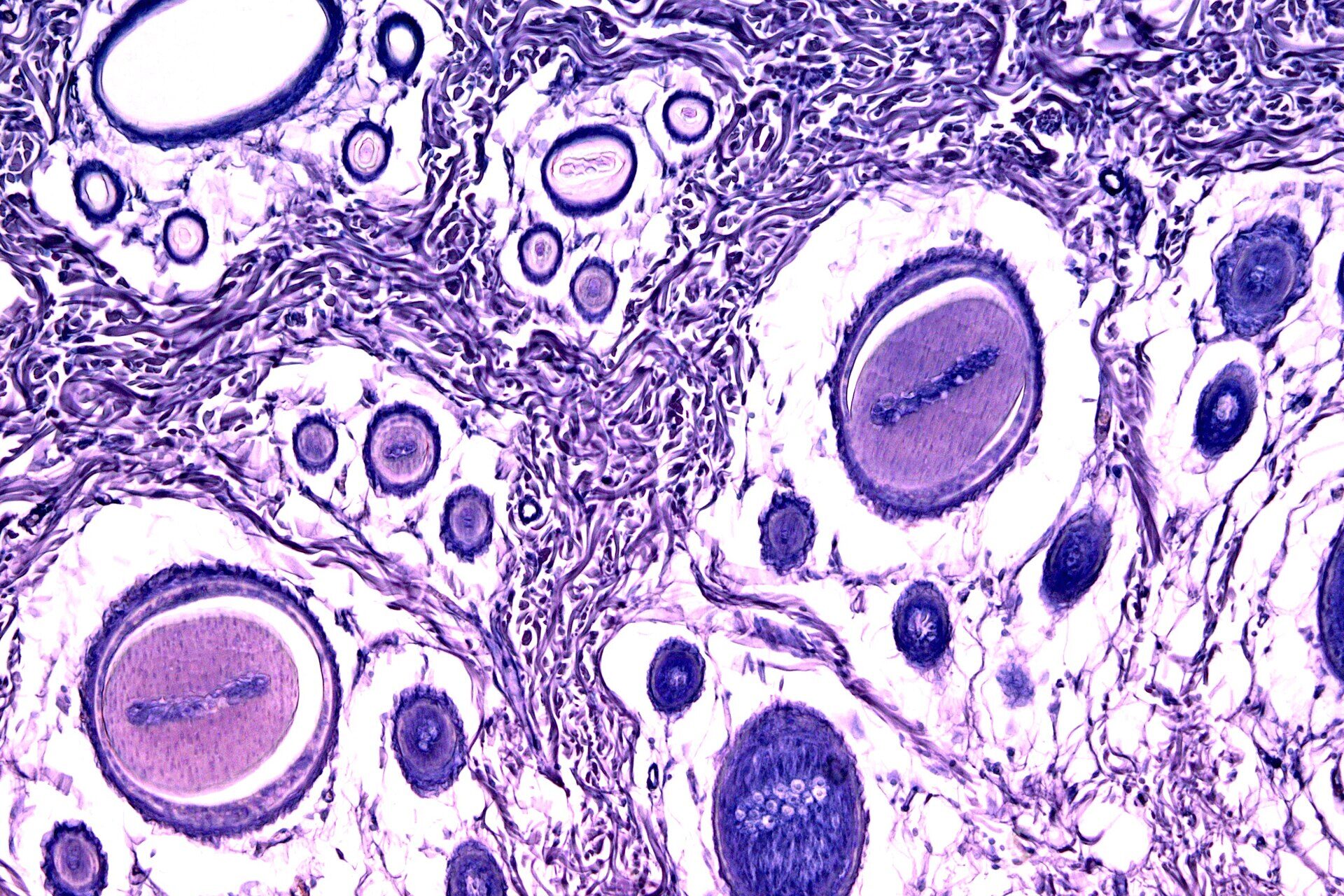
Hair grows from follicles in the skin. With pattern hair loss, follicles gradually shrink and produce thinner hair, until they stop. Hair follicles contain their own stem cells, and researchers are studying whether stem cells, or the growth signals they release, can wake shrinking follicles up again.
What the early research shows
Most of the evidence is still small and early. The article describes a 2017 Italian study in which stem cells isolated from patients’ own hair follicles increased hair density by 29% at 23 weeks in people with androgenetic alopecia.
A Canadian company, RepliCel, is developing a treatment called RCH-01 that uses cells taken from a small sample of the patient’s own scalp, multiplied in a laboratory and injected into thinning areas. It has been under clinical investigation at hospitals in Japan.
What to be careful about
Stem cell hair treatments are not an established or approved standard of care. The article notes that some clinics already charge between $3,000 and $10,000, that several sessions may be needed, and that results are never guaranteed. Risks can include pain, scarring, bleeding and infection where tissue is taken. Anyone considering treatment should speak to a dermatologist and ask what evidence and approvals a clinic has.
What it means for families
This is an active area of research, but it is still experimental. Established options such as medication and hair transplants remain the standard treatments while larger studies are done.
Read the original article on BioInformant →
This is a summary of published research, written by Future Health GCC. It is not medical advice. Speak to your doctor about any treatment.
Photo: Angelina Koch, via Wikimedia Commons (CC BY-SA 4.0).