China begins a 2,000-person trial of cord stem cells for healthy ageing

Beijing’s 301 Hospital is recruiting 2,000 adults over 50 to test whether umbilical cord-derived stem cells can help people keep their strength and function as they age.
Stem cell exosomes studied for a type of pulmonary hypertension
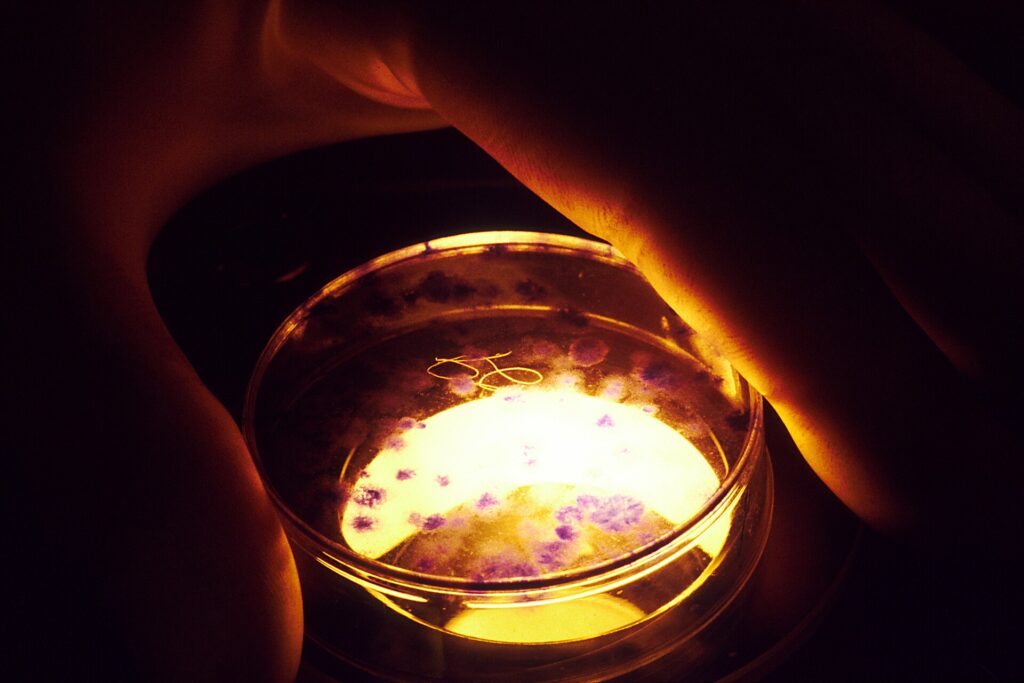
In a laboratory and rat study, tiny particles released by stem cells slowed the harmful thickening of lung blood vessels seen in hypoxic pulmonary hypertension.
Stem cell approach studied for fertility in women with ovarian failure

In a study of 145 women with low ovarian reserve or ovarian failure, a treatment using their own blood stem cells was followed by egg activation in about two-thirds of them.
Stem cells and exosomes in medicine: what a 2025 review found

A 2025 review of five years of research found mesenchymal stem cells and the exosomes they release show promise in several diseases, but mixed results still hold back routine use.
Two more people with HIV may be cured after stem cell transplants
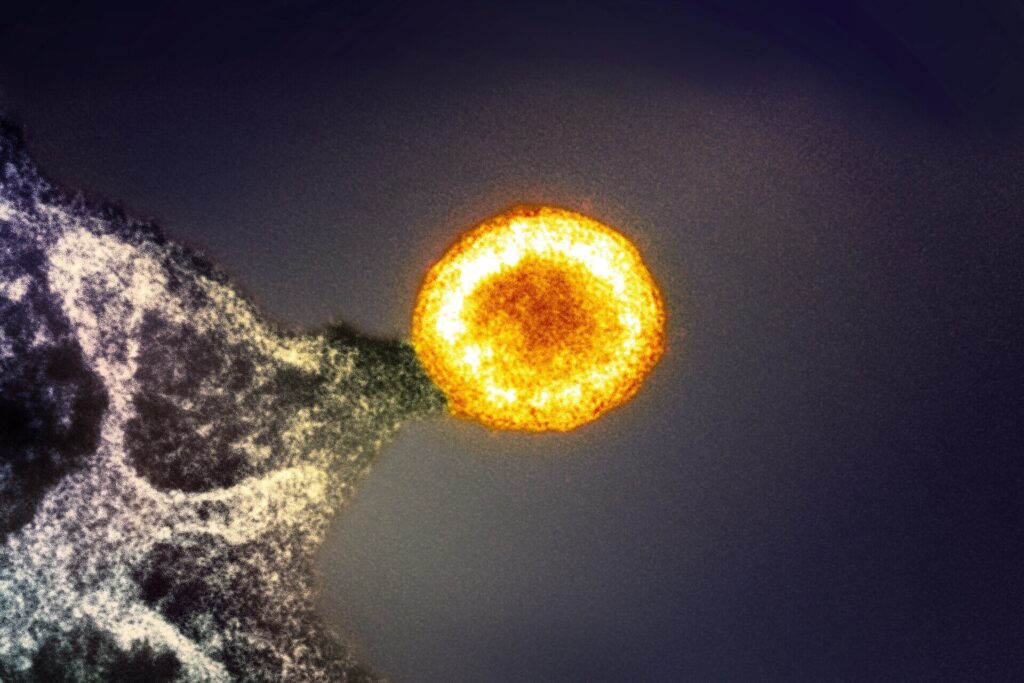
Two men treated with donor stem cell transplants for blood cancer are in HIV remission after stopping their HIV medicines, bringing the number of possible cures to ten.
Stem cells and hair loss: what the research shows so far
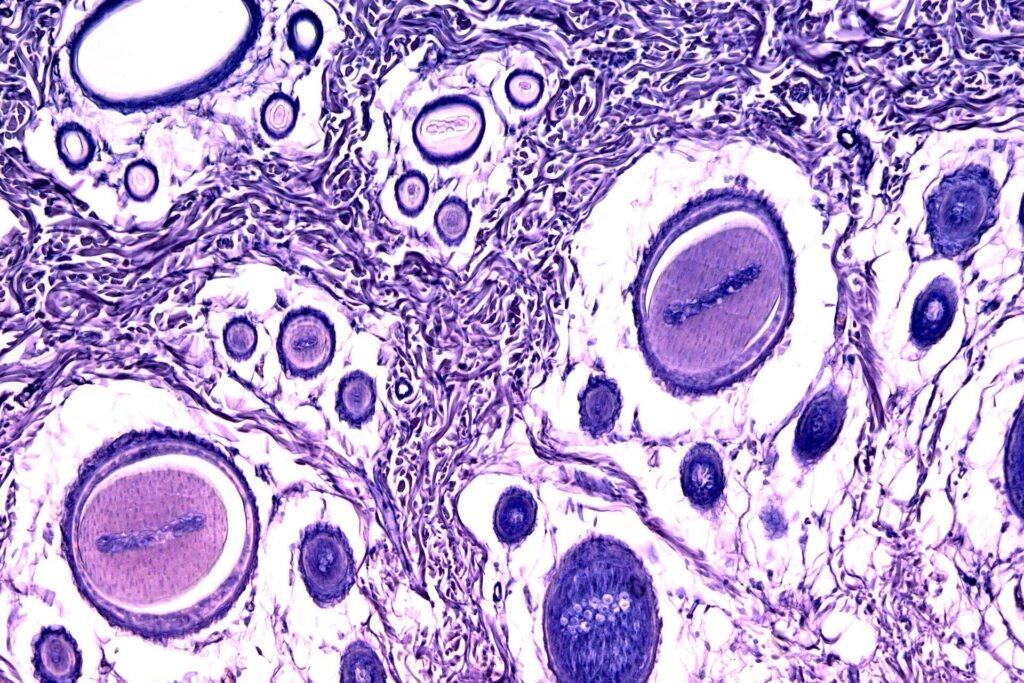
Stem cell approaches to hair loss are being tested, with some small early studies showing increased hair density. They remain experimental, and results are not guaranteed.
Mesenchymal stem cells for multiple sclerosis: where the research stands
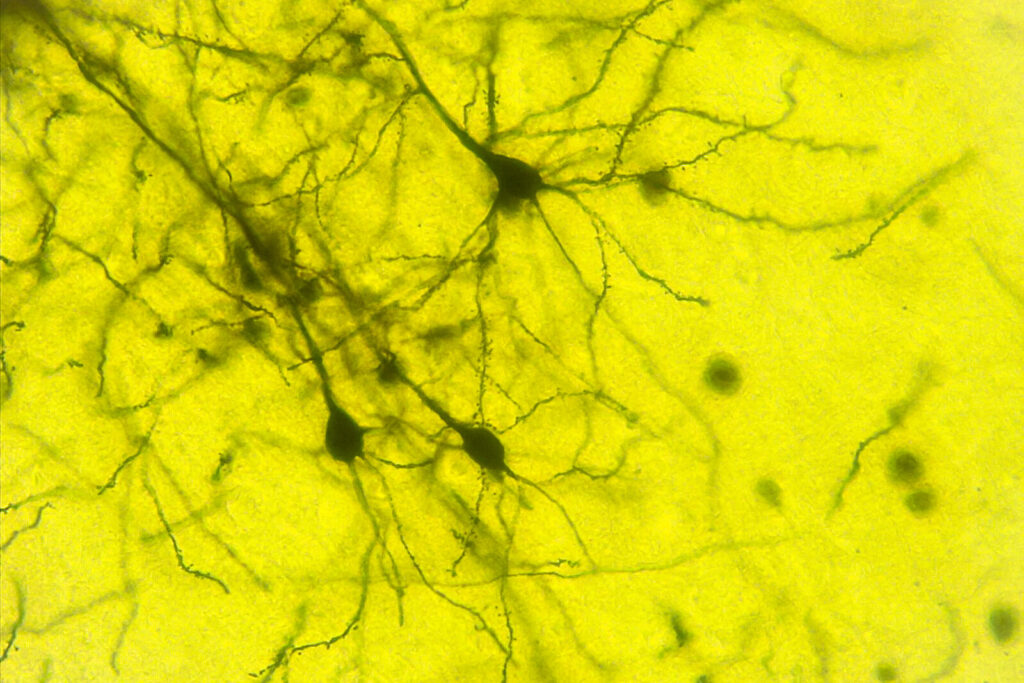
A 2025 review looks at how mesenchymal stem cells might calm the immune attack in multiple sclerosis and help protect nerves, and what still stands in the way.
Reprogrammed stem cells restore sight in first corneal transplant study
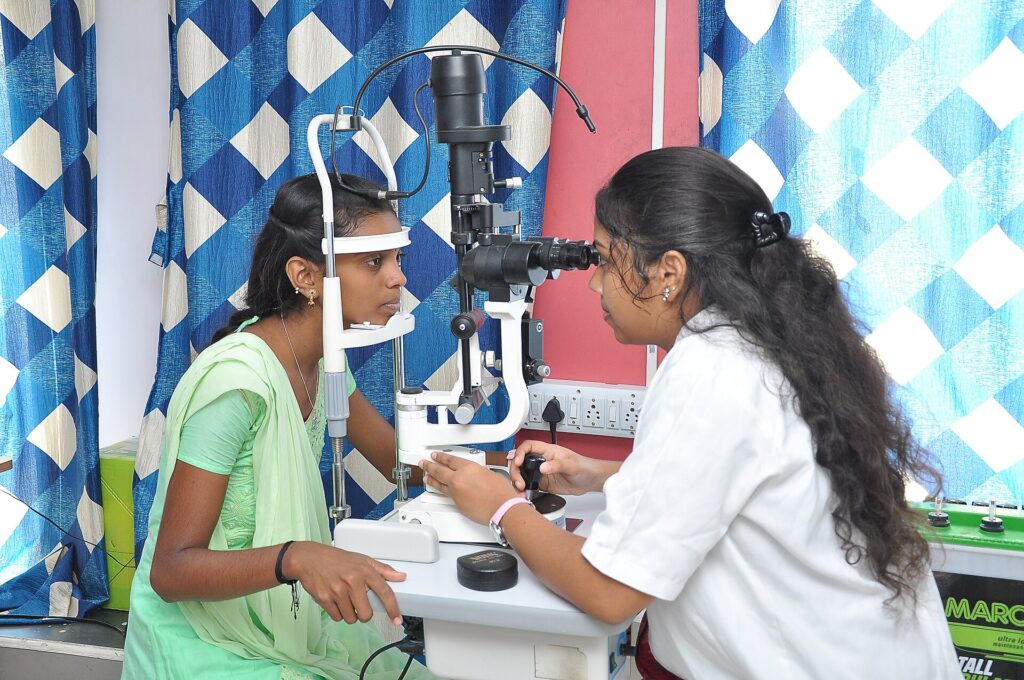
In Japan, four people with badly damaged corneas received transplants grown from reprogrammed stem cells. Vision improved in all four eyes, with no serious side effects over two years.
How hydrogels could help stem cells treat osteoarthritis
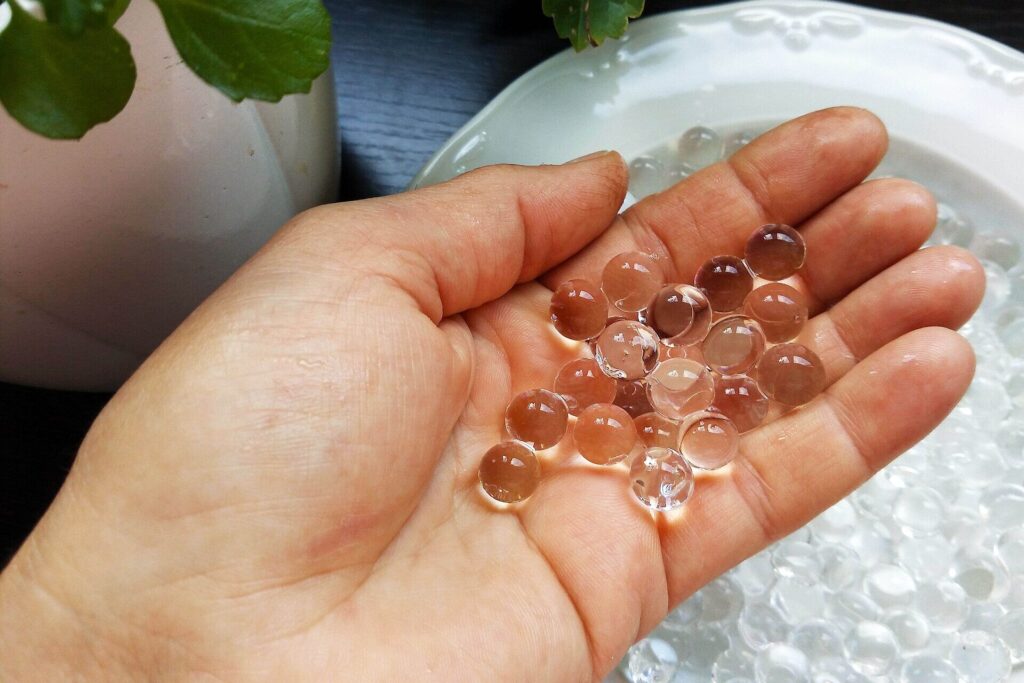
A 2024 review explains why stem cells injected into arthritic joints often don’t survive, and how water-based gels called hydrogels could protect them and help repair cartilage.